

Using Garmin vívosmart fitness trackers, researchers at National Taiwan University (NTU) found that physiological, environmental, and self-reported data can help predict panic attacks, potentially paving the way for more personalized mental-health care.

Panic Attack Prediction
“The combination of smartwatches and apps showed promising results. Data from these devices made it possible to predict panic attacks several days in advance, giving people a heads-up to take action,” said Dr. Chan-Hen Tsai, researcher at NTU. “The apps also helped users reduce symptoms and feel more in control, demonstrating that technology can be a powerful tool for managing panic disorder.”
First Study: One-Year Cohort (59 Participants)
The initial BEBI study followed 59 participants over one year. Environmental conditions and emotional states were logged via a mobile app, while the Garmin vívosmart 4 continuously collected heart rate, activity, and sleep data. The devices were selected as “promising tools” for daily wear, offering up to seven days of battery life.
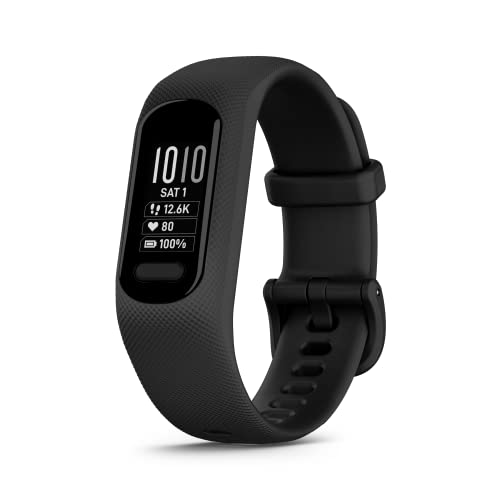
Participants reported positive feedback as they learned to self-monitor emotional and physiological states. The study concluded that combining wearable and self-reported data made it possible to predict panic attacks up to seven days in advance, supporting early intervention both in clinics and daily life.
Follow-Up Studies: Sleep, Activity, and Machine Learning
Two additional studies, spanning two and three years, included one that examined the influence of sleep and physical activity on panic disorder. Participants again wore Garmin vívosmart trackers to record sleep, activity, and heart rate. When combined with questionnaires and interviews, this dataset powered a machine-learning model that predicted panic attacks within the following week with more than 92% accuracy.
Mobile-Assisted Case Management
A later study evaluated a mobile-assisted case management program that integrated the prediction model into standard treatment. Participants used an app for extra support and stayed in contact with health professionals for personalized care. Many reported feeling more self-aware, supported, and in control of their symptoms.
Identified Ranges and Lifestyle Targets
Researchers highlighted several physiological and lifestyle factors associated with lower recurrence risk:
- Average heart rate: 72–87 bpm
- Maximum heart rate: 100–145 bpm
- Resting heart rate: 55–60 bpm
- Daily activity: climb more than nine floors
- Total sleep: 6 h 23 min – 10 h 50 min
- Deep sleep: at least 50 minutes
- Awake time: under 53 minutes
Takeaway
Across three cohorts, NTU’s BEBI program found that combining Garmin vívosmart data with app-based and environmental inputs can predict panic attacks up to a week in advance, with one model achieving over 92% accuracy. Integrating this approach into mobile-assisted care improved participants’ sense of control and overall well-being.
Important Notes and Links
Learn more at Garmin’s Research Library for additional third-party studies and clinical collaborations.
Disclaimer: Garmin devices are not medical devices and are not intended to diagnose, monitor, or treat any medical condition. For information on metric accuracy, visit Garmin’s official resources.


No comments yet. Start the conversation.